What does accessibility mean within learning, inclusion, and design?
Accessibility in learning is not about fixing learners, but about fixing the environments that unintentionally exclude them. While reading the article, I understood that how accessibility in learning, inclusion and design can create learning spaces which can include everyone with creating any discrimination. As Kat Holmes explains, that disability is a mismatch between a person’s abilities and their environment. Which means some people often feel excluded not because of their ability but because of their environment.
This is where design plays a key role to determine whether learners will feel included or excluded. This means that design choices can either remove barriers or can create them. For example, using clear headlines help people to follow the contend more easily, alt texts allow screen readers to describe images. Simple layouts and readable font with a good contrast can reduce cognitive load and make information easier to understand for all.
When some of the learning material /Videos are created without captions, transcripts or alt tags, some learners are excluded automatically. For those one of the principles of kat can be used which says “solve for one and extend for many “which means that accessibility features can often benefit more than a group of people in multiple ways. For example, captions they are helpful for those people who cannot hear properly or are deaf. However, they help many other learners Aswell such as a person watching something in a different language or a person watching something in a noisy place or with sound turned off. These examples of accessibility are not only about designing solution for a particular group of people but more about supporting different needs at once.
Overall, accessibility means designing environments for all types of learners. Instead of expecting them to adapt to rigid old system, Educators should adapt to create learning experiences to support different abilities.
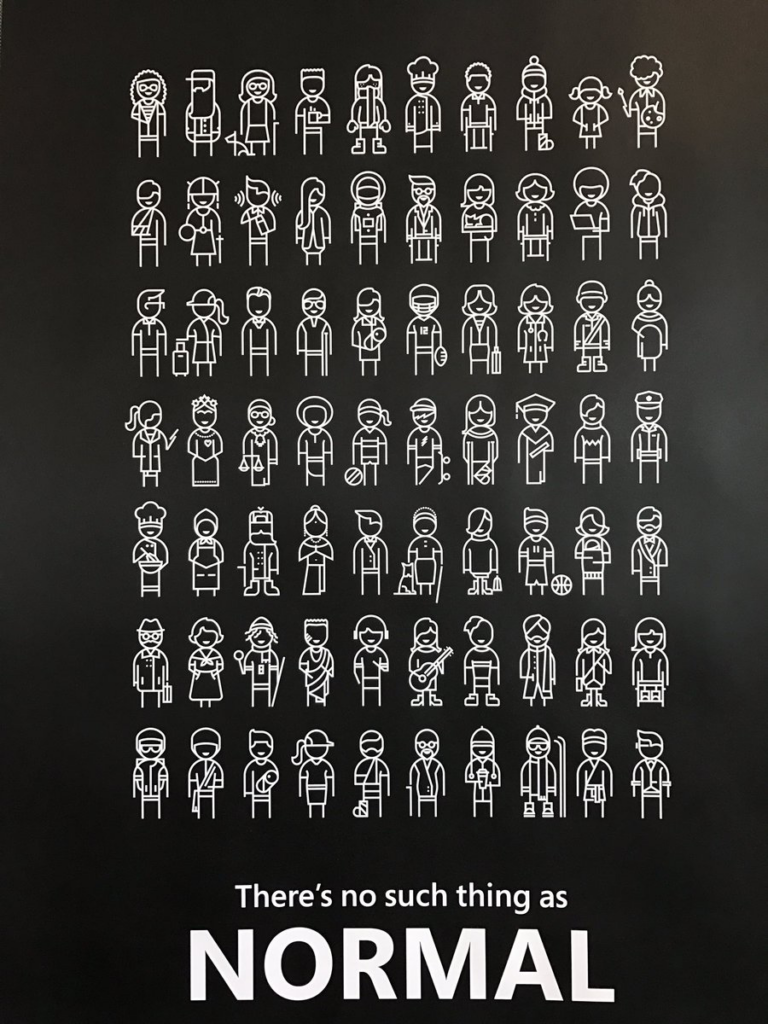
What role do media and multimedia play in a learning environment designed with UDL guidelines in mind? Which promising practices align with these guidelines?
What role do media and multimedia play in a learning environment designed with UDL guidelines in mind because they allow learning to be flexible and can accommodate with a wider range of learner needs. UDL is based on the idea that every learner is different in the way they engage with the Information and understand it. Media such as videos, alt texts, images and audio can support these differences by providing multiple ways for learning.
Three main areas of ULD: engagement, representation, and action and expression.
Engagement (the “why” of learning) supported though media by giving control to learners over contend such as speed, pause and rewind options. which helps them to lean at their own pace.
Representation (the “what” of learning) is supported by presenting information in multiple formats. Practices like captions, transcripts and alt text with clear structure helps the leaners to gain the information easily.
Action and expression (the “how” of learning) are supported when learners are given a choice to express their understanding via texts, podcasts, audio, video or images.
Overall, media and multimedia designed with UDL helps to create a learning environment that includes everyone